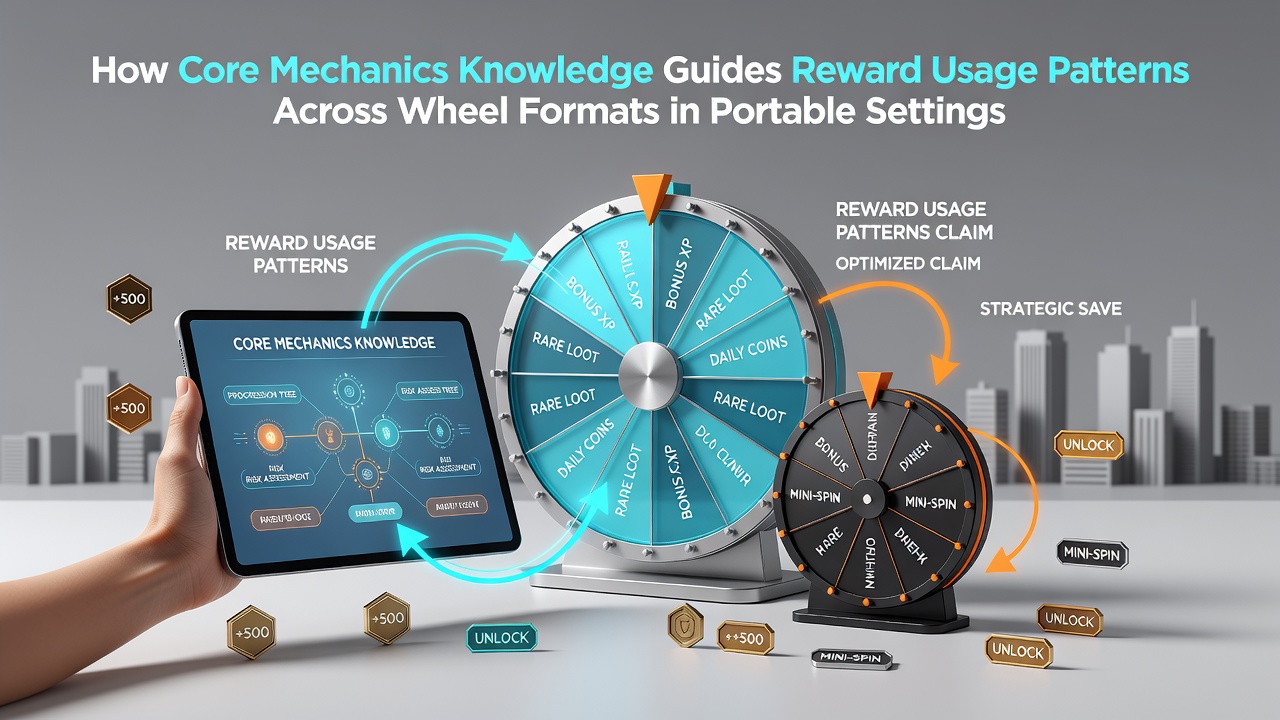
Mechanics Knowledge Directs Reward Application Patterns Across Portable Wheel Formats
Core mechanics of roulette wheels include house edge calculations, zero placements, and payout ratios that differ across European, American, and French configurations, and observers note these distinctions shape how rewards get deployed on portable platforms where players access multiple variants through single applications. Data from mobile gaming reports indicate that individuals familiar with these elements allocate bonuses more selectively, favoring formats with lower house edges when wagering requirements attach to specific reward types. Researchers have tracked usage logs showing consistent patterns where knowledge of wheel physics correlates with higher engagement on single-zero layouts during promotional periods.
Wheel Configurations and Their Mechanical Foundations
European wheels feature 37 pockets with one zero while American versions contain 38 pockets including both zero and double zero, creating measurable differences in expected value that portable users reference when selecting reward redemption paths. French rules add further layers through en prison and la partage options that return half the stake on zero outcomes, and studies compiled by the International Gaming Institute at the University of Nevada reveal these mechanics influence mobile session durations and reward consumption rates. Those who study payout tables often direct free spins or deposit matches toward variants where return-to-player percentages exceed 97 percent, resulting in observable shifts away from double-zero wheels during active bonus windows.
Reward Structures in Portable Environments
Portable platforms deliver rewards through deposit matches, cashback tiers, and free bet credits, each carrying terms tied to game selection and wagering multiples that interact directly with wheel-specific probabilities. Industry figures from the American Gaming Association show mobile reward redemption volumes rising sharply when users apply mechanics knowledge to match low-edge wheels with high-multiplier bonuses. Players frequently sequence their reward usage by first testing European formats to meet playthrough conditions before shifting to American wheels for shorter sessions where variance matters less than completion speed.
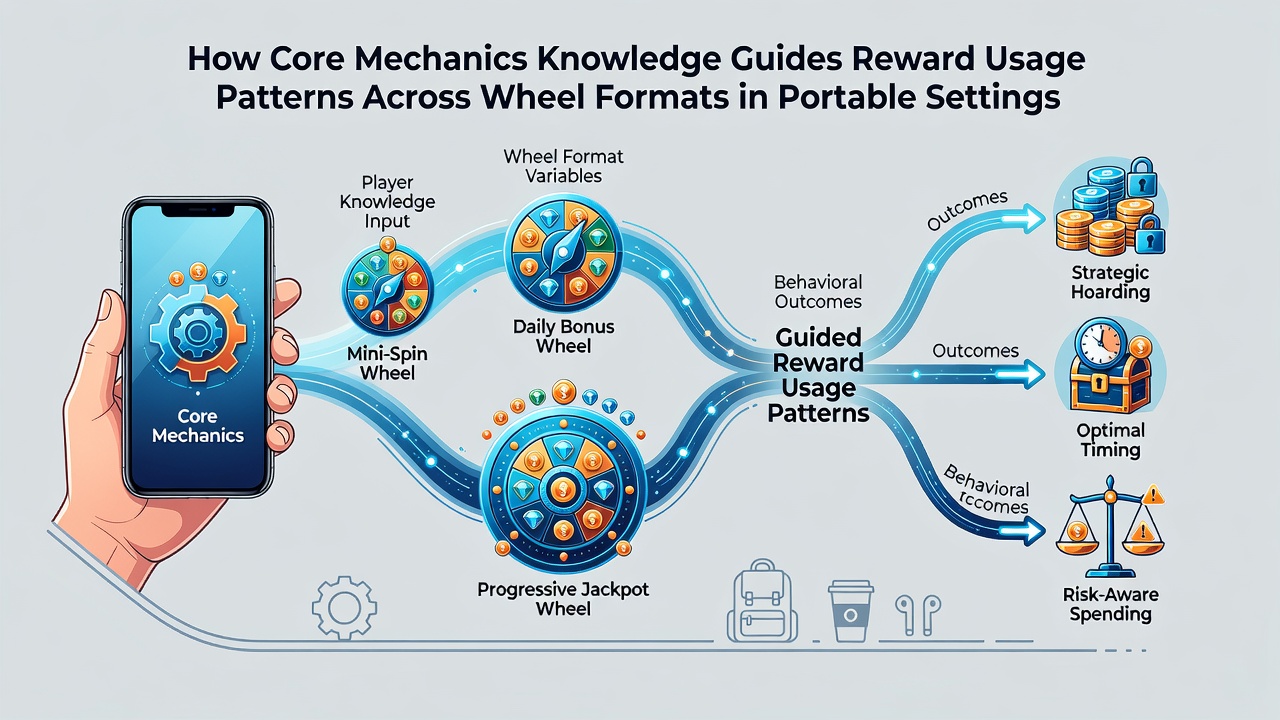
Observed Usage Patterns Across Formats
Usage data collected through October 2026 demonstrates that informed players route larger reward portions toward French and European wheels during early bonus stages, then migrate to American wheels once minimum wagering thresholds near completion. This sequencing reduces overall exposure because single-zero layouts preserve bankroll longer while requirements accumulate. Reports from Australian gambling research centers indicate similar patterns among portable users who cross-reference wheel diagrams with bonus terms before activating any promotion. Those patterns appear across multiple operators, suggesting mechanics literacy produces repeatable reward deployment sequences rather than random selection.
Portable Interface Factors Affecting Decisions
Touchscreen interfaces on mobile devices display wheel animations and payout grids simultaneously, allowing rapid comparison of mechanics during reward activation sequences. Developers embed quick-reference tools that highlight house edge differences, and analytics from platform providers show increased reward utilization on European variants when these comparison features remain visible. Observers note that session length extends when users apply mechanics knowledge to avoid high-variance wheels until later stages of bonus playthroughs.
Conclusion
Knowledge of wheel mechanics continues to guide reward allocation across portable formats as operators expand variant availability and reward structures evolve. Data sets collected through late 2026 confirm that users who internalize house edge distinctions maintain distinct usage sequences compared with those who select formats at random. These patterns hold across regions where multiple wheel types coexist within the same mobile application environment.